By: Patrick Payne
September 22, 2026
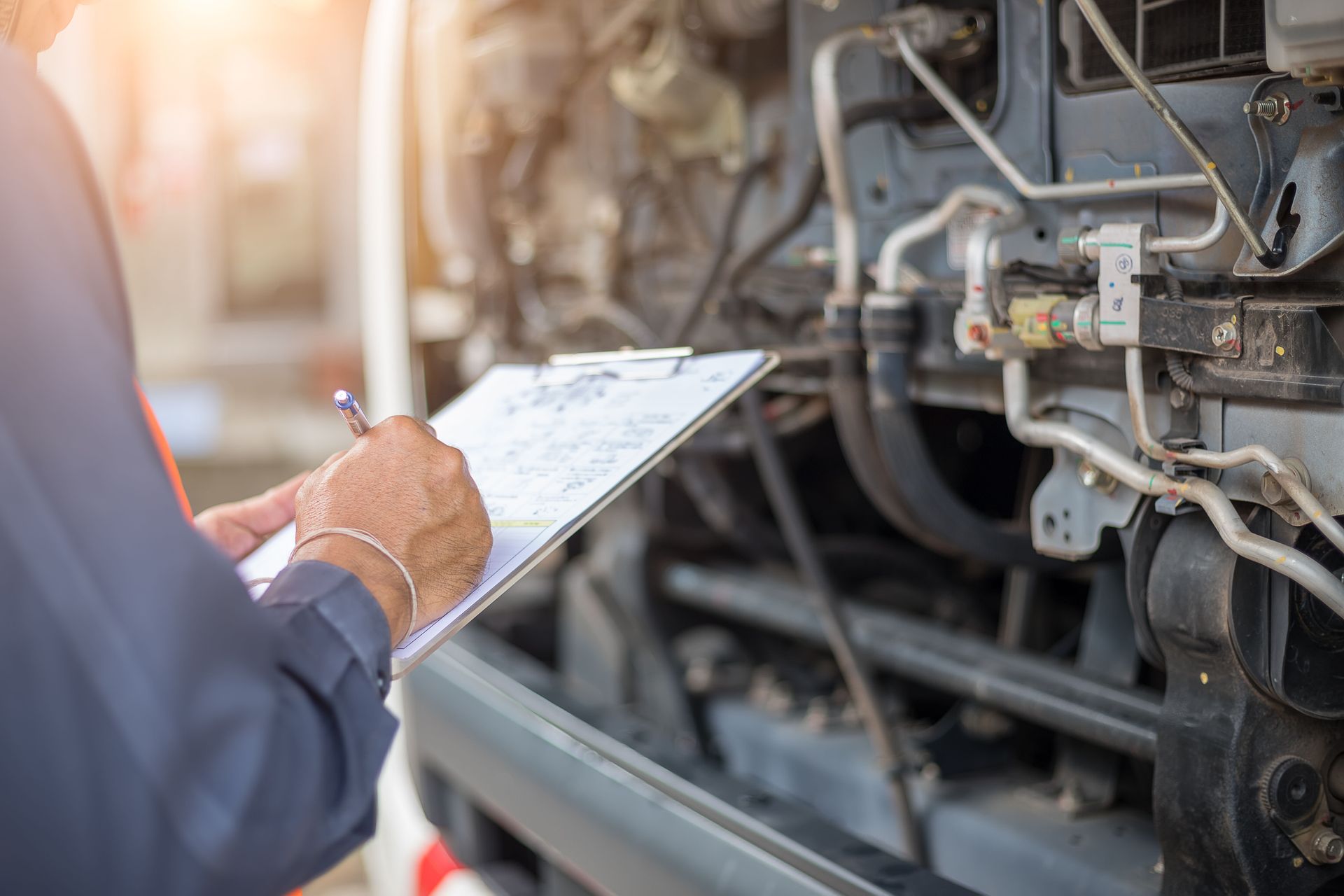
Fleet trucks operate under demanding conditions, making engine performance one of the most important maintenance concerns for any commercial operation. According to Slashgear, a single semi-truck drives an average of about 45,000 miles each year, demonstrating how much use these vehicles can accumulate. Long operating hours, heavy loads, changing road conditions, and extended travel can all contribute to engine wear. Regular professional inspections can help identify developing concerns before they interfere with a truck's ability to remain in service.
Common engine problems can involve oil leaks, cooling issues, fuel-system concerns, worn components, or warning lights. Drivers may notice unusual noises, reduced performance, excessive smoke, or changes in fluid levels when something requires attention. Professional truck repairs can determine whether these symptoms involve a relatively contained issue or indicate a more extensive mechanical problem. Addressing concerns promptly can help fleet owners avoid unexpected breakdowns and more complicated service needs.
Service Commercial Brake Systems
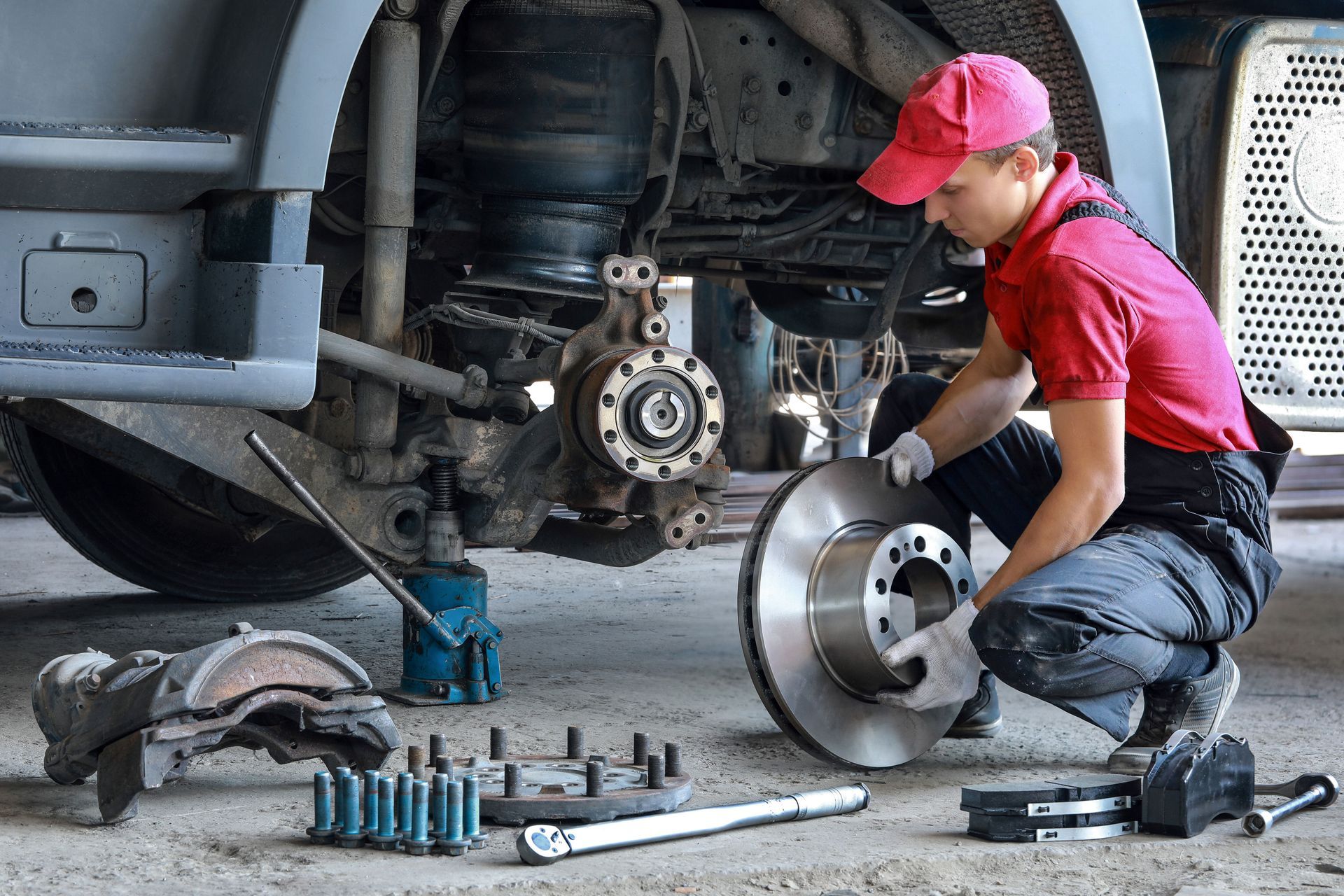
Brake systems require consistent attention because commercial trucks carry substantial weight and may travel long distances before stopping. Common truck repairs can involve brake pads, shoes, drums, rotors, air-system components, lines, valves, and other parts depending on the vehicle. Wear may occur gradually, making scheduled inspections important even when a driver has not noticed an obvious problem. Professional technicians can evaluate the complete system and identify components that need service.
Drivers may report unusual noises, changes in pedal response, pulling, or other differences in braking performance. These observations should be evaluated rather than ignored because small issues can affect other components over time. Brake service can also provide an opportunity to identify related problems involving wheels, tires, or suspension components. Keeping the entire braking system properly maintained supports reliable vehicle operation.
Address Transmission Concerns
Transmission systems endure considerable stress as trucks accelerate, carry heavy loads, and travel across varying terrain. Common truck repairs involving transmissions may include addressing fluid leaks, shifting difficulties, worn clutch components, damaged gears, or electronic control problems. The appropriate solution depends on the truck's design and the cause of the symptoms. Accurate diagnosis is therefore essential before repairs are performed.
Fleet owners should take reports of slipping, delayed engagement, unusual noises, or difficult shifting seriously. Continuing to operate a vehicle with a developing transmission issue can place additional strain on related components. A professional technician can inspect the transmission and drivetrain to determine where the problem originates. Prompt service may help prevent an inconvenient failure that takes a truck out of operation unexpectedly.
Restore Suspension Components
A commercial truck's suspension helps support its load while contributing to handling, stability, and ride quality. Springs, shocks, bushings, air bags, and associated hardware can experience wear as vehicles accumulate mileage and encounter different road surfaces. Signs of suspension trouble may include uneven ride height, excessive bouncing, unusual noises, or irregular tire wear. Professional evaluation can determine whether worn components require replacement.
Suspension problems can also contribute to premature wear in other parts of the vehicle. A technician can inspect the system as a whole rather than treating an isolated symptom without considering its cause. For fleet operators, this approach can help identify developing problems before they result in additional service needs. Maintaining suspension components can support consistent handling and help protect other vehicle systems.
Replace Worn Commercial Tires
Tires experience constant contact with the road and are affected by mileage, load weight, alignment, road conditions, and vehicle usage. Common truck repairs may include addressing punctures, uneven tread wear, damaged sidewalls, or problems contributing to premature tire deterioration. Tire condition can influence handling, braking, fuel consumption, and overall vehicle performance. For that reason, tire inspections should remain an important part of fleet maintenance.
Uneven wear deserves particular attention because replacing the tire alone may not resolve the underlying cause. Alignment, steering, suspension, and other mechanical conditions can contribute to abnormal wear patterns. Professional technicians can inspect related systems when evaluating a tire concern. Identifying the source can help protect replacement tires and reduce unnecessary recurring service.
Repair Electrical Systems
Modern commercial trucks rely on electrical systems for starting, charging, lighting, sensors, engine controls, communication equipment, and numerous other functions. Electrical problems can involve batteries, alternators, starters, wiring, connectors, fuses, sensors, or electronic control modules. Because multiple systems can depend on shared electrical components, identifying the actual source of a problem may require professional diagnostic equipment. Replacing a component without finding the underlying fault may not resolve the issue.
Warning lights, slow starting, battery discharge, intermittent accessories, and unexplained electrical failures can all warrant an inspection. Professional technicians can test individual components and circuits to determine where a fault exists. Accurate diagnosis can reduce unnecessary part replacement and help return a truck to service more efficiently. It can also reveal developing electrical concerns before they create a larger operational interruption.
Restore Cooling System Performance
A truck's cooling system helps maintain appropriate engine temperatures during demanding operation. Radiators, hoses, water pumps, thermostats, fans, belts, and related components can all develop problems that affect cooling performance. Coolant leaks, rising temperatures, or unusual engine behavior may indicate that professional service is needed. Prompt attention is particularly important because overheating can cause serious engine damage.
Technicians can inspect the system for leaks, restricted flow, worn components, and other conditions that may interfere with proper temperature control. Simply replacing one visible component may not address a larger problem within the cooling system. Comprehensive diagnostics can help identify the actual source of the concern. Timely truck repairs can therefore help fleet owners protect engines and reduce the risk of unplanned downtime.
Correct Steering System Problems
Steering components must withstand the weight and operating demands of commercial vehicles while allowing drivers to maintain directional control. Steering problems can involve tie rods, steering gears, power-steering components, linkages, and related parts. Symptoms such as excessive play, unusual noises, uneven response, or changes in steering behavior should receive professional attention. A technician can evaluate the system and determine which components are contributing to the problem.
Steering concerns may also be connected to alignment, suspension, or tire conditions. Examining related systems can provide a more complete understanding of why the problem developed. Professional
truck repairs should address the underlying cause rather than simply correcting a symptom temporarily. This approach can help fleets maintain consistent vehicle handling and reduce recurring service concerns.
Resolve Exhaust System Issues
Exhaust systems direct combustion gases away from the engine while helping control emissions and noise. Commercial trucks can experience exhaust leaks, damaged pipes, failing components, or problems involving emissions-related equipment. Unusual sounds, visible exhaust, warning lights, or changes in engine performance can indicate that the system requires professional evaluation. Delaying attention may allow a contained issue to become more complicated.
Technicians can inspect exhaust connections, components, and related controls to determine the source of a problem. Modern diesel systems may include several electronically controlled emissions components, making accurate diagnosis especially important. Professional service can help identify the affected parts and determine the appropriate repair strategy. Keeping exhaust systems properly maintained also supports reliable operation across demanding routes.
At BTR Trucks & Service, we understand that dependable trucks are essential to keeping fleet operations moving. Our team provides professional service for the mechanical, electrical, braking, drivetrain, suspension, and other systems that commercial vehicles rely on every day. We can help identify developing concerns, address necessary service needs, and support maintenance planning based on each vehicle's condition and operating demands. Contact BTR Trucks & Service to discuss your fleet's service needs and keep your trucks prepared for the routes ahead.