In recent years, the trucking industry has faced increasing pressure to enhance fleet performance. Rising operational costs, stricter emissions regulations, and the demand for improved delivery times are just a few challenges facing fleet managers. To address these issues, a variety of truck services can optimize performance, extend vehicle lifespan, and reduce overhead costs. This article explores key truck services that can significantly improve fleet performance. The right combination of maintenance, technology, and training is essential for any successful fleet management strategy.
1. Regular Preventive Maintenance
1.1 Engine Tune-ups and Diagnostics
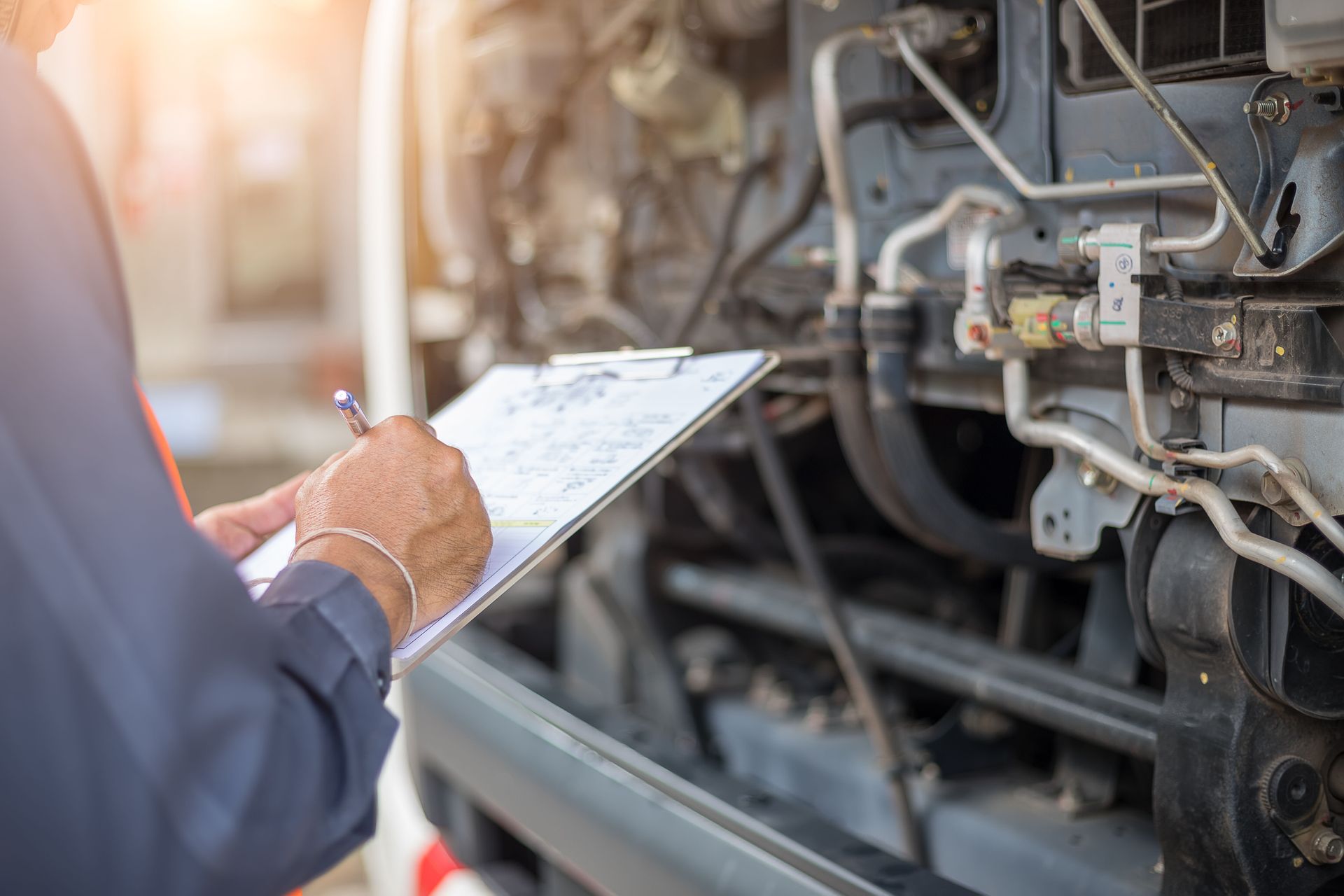
Regular engine tune-ups and diagnostics are critical for maintaining truck performance and efficiency. These services help in identifying issues before they develop into significant problems, thereby avoiding unexpected breakdowns. By ensuring that engines run smoothly, fleets can achieve better fuel efficiency and reduce emissions. Diagnostics tools can provide real-time data that pinpoint exact problem areas, further streamlining the maintenance process. Incorporating routine diagnostics significantly contributes to the overall longevity and reliability of the vehicle.
1.2 Tire Management and Rotation
Tire management, including regular rotation and inspection, is vital for any fleet operation. Properly inflated and aligned tires improve fuel efficiency and vehicle handling, contributing to safer driving conditions. Rotating tires at regular intervals ensures even wear, extending tire life and reducing replacement costs. Tire management also involves selecting the right tires tailored to the specific demands of a fleet's operational environment. Regular inspections help identify and mitigate potential issues such as tread wear and alignment problems.
1.3 Oil Changes and Fluid Checks
Consistent oil changes and fluid checks are fundamental components of preventive maintenance. According to Slashgear, semi-trucks generally require oil changes approximately every 25,000 miles. This maintenance routine helps preserve the engine's health by reducing friction and preventing overheating. Timely fluid checks, including coolant and transmission fluid, further ensure that the vehicle's systems are functioning efficiently. Neglecting these services can lead to significant engine damage, costly repairs, and downtime.
1.4 Brake Inspections and Replacements
Regular brake inspections and necessary replacements are crucial for the safety and efficiency of a fleet. Timely inspections can identify issues such as worn brake pads or hydraulic leaks, which can compromise braking performance. Addressing these issues promptly ensures that vehicles can stop safely and respond effectively in emergency situations. Regular maintenance of brake systems prolongs their life, preventing costly repairs and enhancing road safety. By investing in consistent brake services, fleets minimize the risk of accidents and ensure compliance with safety regulations.
1.5 Suspension and Steering Systems
Attention to suspension and steering systems is integral to maintaining a fleet's vehicular control and stability. These systems affect how a vehicle handles, which, in turn, impacts fuel efficiency and tire wear. Regular checks for wear and tear on components like shocks and struts can prevent more significant mechanical issues. Ensuring that suspension and steering systems are in optimal condition contributes to a smoother ride and less driver fatigue. Proactive maintenance helps avoid costly downtime and extends the vehicle's useful life.
2. Advanced Telematics Solutions
2.1 GPS Tracking and Fleet Management
Advanced telematics, including GPS tracking, plays a vital role in modern fleet management. By providing real-time location data, GPS systems enhance route planning and reduce fuel consumption. Telematics solutions enable fleet managers to track vehicle performance metrics, driving behavior, and compliance with regulatory requirements. The data generated by these systems can improve logistics operations and optimize fleet efficiency. Utilizing telematics introduces an excellent tool for minimizing unnecessary mileage and lowering operational expenses.
2.2 Driver Behavior Monitoring
Monitoring driver behavior through telematics can significantly enhance safety and efficiency. Techniques like speed monitoring, harsh braking alerts, and acceleration patterns provide insights into driver habits. Training can then be tailored to address any shortcomings, resulting in safer driving practices. Monitoring also encourages accountability, as drivers are aware that their behavior is being tracked. Ongoing analysis of this data helps in implementing programs that enhance overall safety and performance.
2.3 Fuel Consumption Analytics
Fuel consumption analytics, a feature of telematics systems, are invaluable for improving fuel efficiency. By collecting data on driving patterns and fuel use, fleet managers can identify inefficiencies and implement strategies to reduce fuel consumption. These insights help in adopting more fuel-efficient routes and ensuring compliance with load distribution. Detailed analytics also support decisions on vehicle purchases, maintenance schedules, and driver training programs. Leveraging data for fuel management helps companies achieve cost savings and environmental sustainability.
2.4 Predictive Maintenance Alerts
Predictive maintenance is a proactive strategy made possible by advanced telematics solutions. By analyzing data from vehicle sensors, predictive systems can forecast mechanical failures before they occur. These alerts allow fleet managers to schedule timely maintenance, thus avoiding unexpected breakdowns and expensive repairs. Predictive maintenance optimizes the truck and extends asset lifespan. This approach ultimately enhances fleet performance by ensuring that vehicles remain in optimal operating condition.
2.5 Route Optimization and Dispatching
Effective route optimization and dispatching rely heavily on advanced telematics data. By seamlessly integrating GPS tracking and real-time traffic information, telematics allow fleet managers to determine the most efficient routes. Optimized routing reduces travel time, lowers fuel costs, and enhances delivery accuracy. It also improves customer satisfaction by adhering to scheduled delivery windows. Efficient dispatching leads to improved resource allocation, maximizing operational productivity.
3. Aerodynamic Enhancements
3.1 Trailer Skirts and Tail Fairings
Aerodynamic enhancements such as trailer skirts and tail fairings can significantly reduce drag and improve fuel efficiency. These installations streamline airflow around the truck and trailer, decreasing resistance and optimizing vehicle performance. By reducing the aerodynamic drag, fleets achieve substantial savings on fuel consumption. Furthermore, the reduction in drag alleviates stress on the engine, contributing to the vehicle's longevity. Implementing aerodynamic solutions marks a strategic approach to enhancing fleet sustainability and cost-effectiveness.
3.2 Roof Fairings and Side Extenders
Roof fairings and side extenders are crucial components in automating the aerodynamic profile of a truck. Roof fairings channel airflow over the cab and trailer, minimizing drag and improving fuel economy. Side extenders reduce gaps between the cab and trailer, further limiting turbulent airflow. These combined enhancements improve airflow consistency and substantially lower fuel usage. Coupled with other aerodynamic measures, these additions are key to lowering operational costs and improving fleet sustainability.
3.3 Reduced Drag Mirrors
Reducing drag with redesigned mirrors is another efficient approach to improving a fleet's aerodynamic profile. Traditional mirrors can create significant drag due to their size and protrusion. Using smaller, more aerodynamically shaped mirrors reduces wind resistance and enhances fuel efficiency. Additionally, using advanced mirror systems, including electronic cameras, can serve the same purpose while providing better visibility. These innovations help achieve significant fuel savings and streamline fleet operations.
3.4 Wheel Covers and Deflectors
Wheel covers and deflectors are simple yet effective aerodynamic modifications. By smoothing the airflow over a vehicle's wheels, these additions minimize drag and improve fuel efficiency. Wheel covers also protect brakes and other components from dust and debris, enhancing the vehicle's overall reliability. Deflectors, on the other hand, mitigate turbulence and promote smoother airflow, further optimizing vehicle performance. These solutions are economically viable methods to make fleets more fuel-efficient and resilient.
3.5 Personalized Aerodynamics Solutions
Customized aerodynamic solutions cater to the specific requirements of each fleet. Companies can employ bespoke designs and modifications to address unique operational challenges. This personalized approach allows fleets to optimize fuel efficiency and reduce emissions tailored to their needs. Collaborating with specialized vendors in aerodynamic design ensures that fleets achieve cutting-edge innovation in performance. Tailored solutions offer an edge in competitive markets, working towards an eco-friendly and cost-effective business model.
Enhancing fleet performance is an ongoing challenge that requires a multifaceted approach. By investing in consistent maintenance, embracing advanced technologies, and promoting efficient driving practices, fleet managers can significantly improve operational efficiency and cut costs. The adoption of these essential truck services not only meets regulatory standards but also contributes to a more sustainable and profitable business model. As the industry evolves, continuous innovation and adaptation remain key to maintaining a competitive edge. Through strategic investments and forward-thinking practices, fleets are equipped to navigate the challenges of modern transport. Be sure to reach out to BTR Trucks & Service today to learn more about our professional truck services!