By: Patrick Payne
January 30, 2026
Maintaining a fleet of trucks is no small feat for businesses across the country. Proper maintenance ensures these valuable assets perform efficiently, last longer, and operate safely on the road. While reactive maintenance addresses problems after they occur, preventive truck repair services focus on anticipating issues before they become costly failures. This approach not only reduces downtime and expensive repairs but also improves fuel efficiency, compliance, and overall operational reliability. In this article, we explore how preventive truck repair services provide long-term financial, operational, and environmental benefits.
Explaining Preventive Truck Repair Services
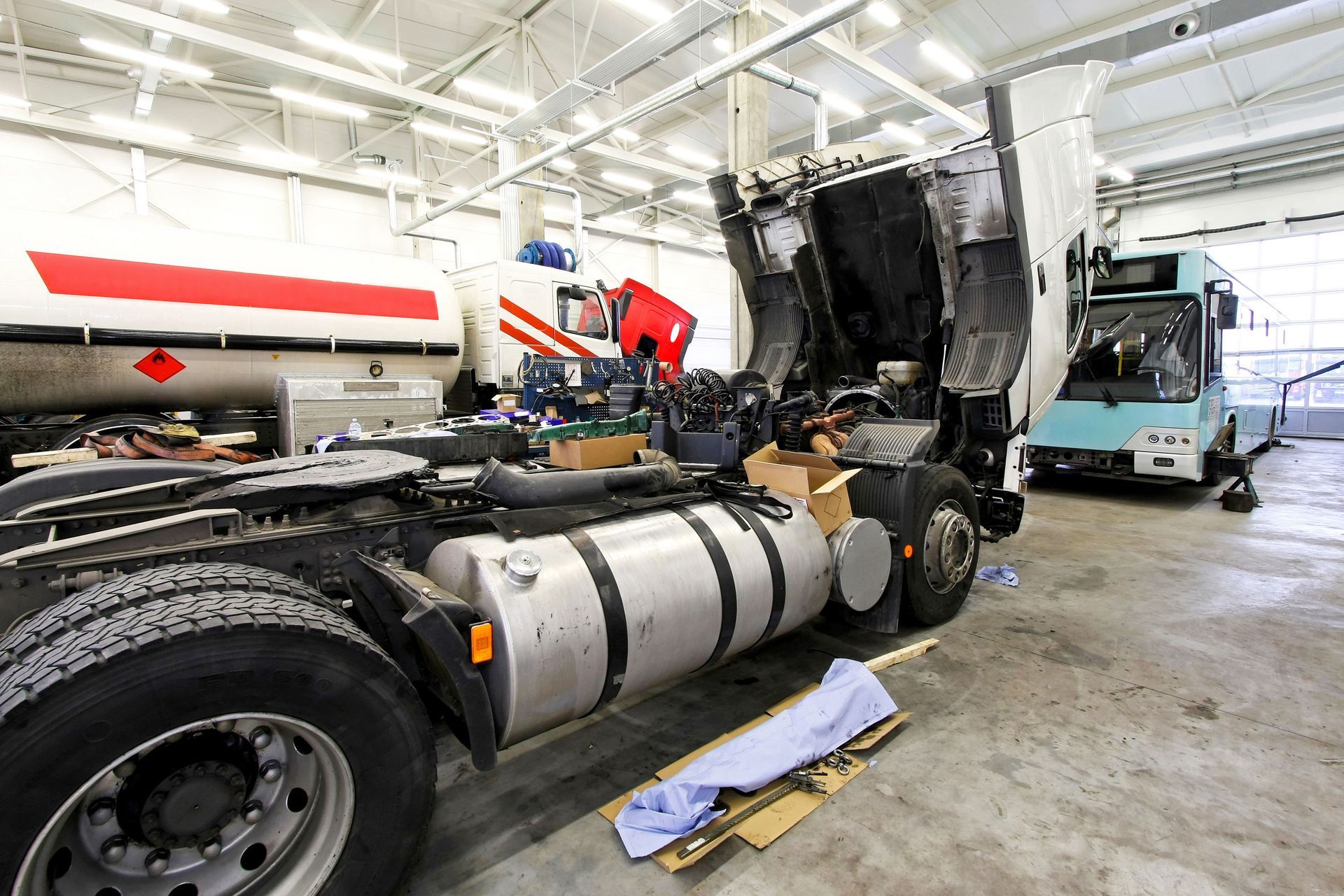
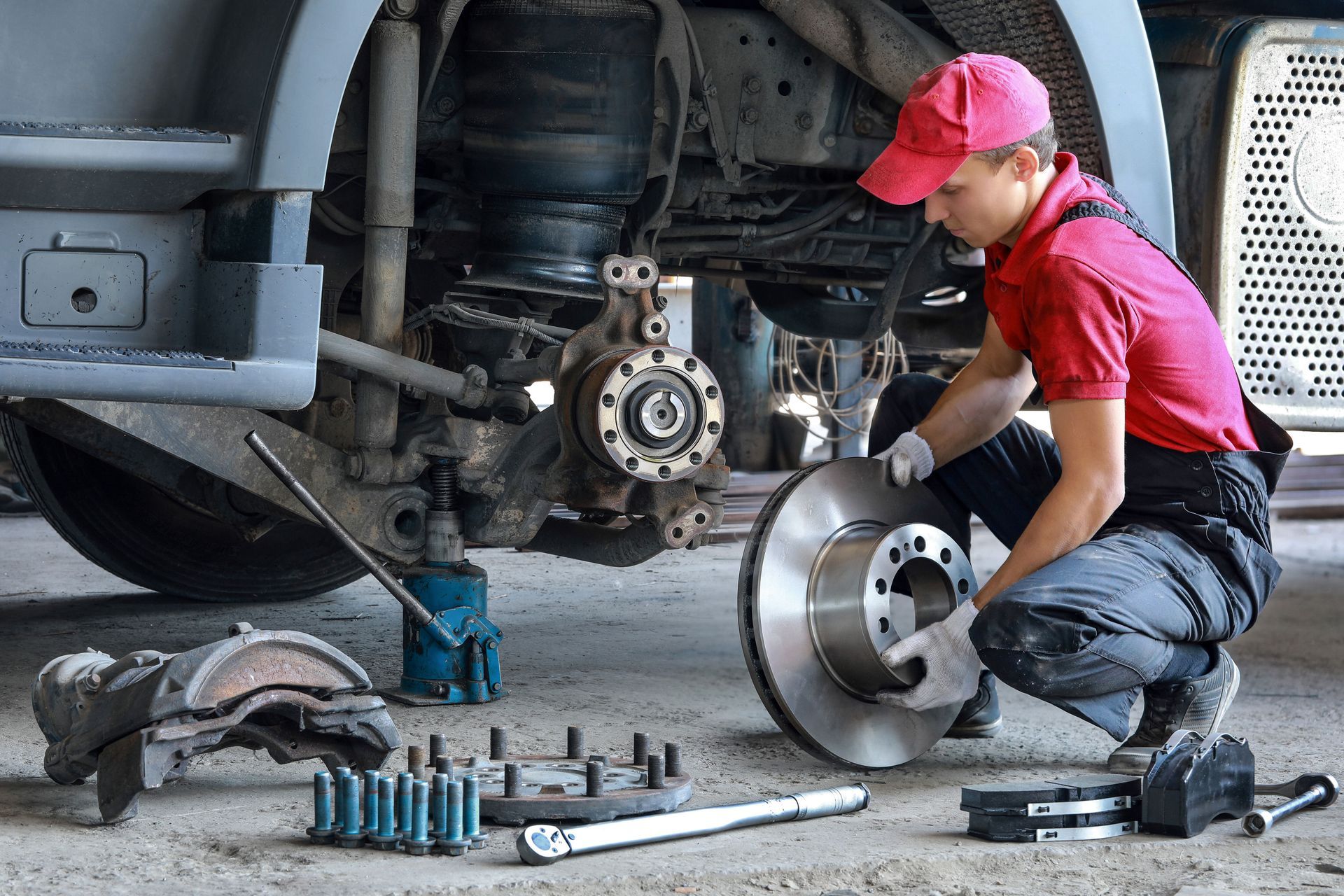
Preventive truck repair services are a proactive approach to fleet maintenance, involving regular inspections, diagnostics, and scheduled repairs before problems arise. Unlike reactive maintenance, which often leads to costly emergency repairs and unpredictable expenses, preventive services help businesses manage their fleet with foresight and control. Scheduled inspections of engines, brakes, tires, and electrical systems identify minor issues before they escalate into serious failures, ensuring trucks remain in peak condition.
Modern diagnostics play a crucial role in this process. Advanced tools allow technicians to detect subtle issues that might be missed during routine checks, providing data-driven insights for targeted repairs. For fleet operators, this translates to fewer unplanned breakdowns, reduced downtime, and lower long-term maintenance costs. Companies that implement preventive programs consistently report higher reliability, smoother operations, and improved client satisfaction.
Several real-world examples demonstrate the effectiveness of preventive maintenance. Logistics companies that integrate routine vehicle assessments often see significant reductions in emergency repairs and fuel consumption. Public transportation operators have also reported fewer service interruptions and longer vehicle lifespans. By investing in preventive truck repair services, businesses create a stable operational environment that prioritizes reliability and efficiency.
Highlighting Financial Advantages of Preventive Maintenance
Investing in preventive truck repair services yields substantial financial benefits over time. The most immediate advantage is avoiding costly major repairs. By identifying and addressing minor issues early, businesses prevent them from escalating into severe mechanical failures that can halt operations and incur high repair expenses. Routine maintenance also allows companies to allocate budgets more predictably, reducing the financial strain of unexpected breakdowns.
Regular maintenance improves fuel efficiency, another key financial benefit. Well-tuned engines, properly aligned and inflated tires, and functioning transmission systems work together to optimize fuel consumption. Even small efficiency improvements can result in significant savings, especially for fleets covering thousands of miles annually.
Preventive maintenance also extends the lifespan of critical truck components, reducing the frequency of replacements. Components such as brakes, engines, and transmissions operate longer and more efficiently when maintained systematically. According to IBISWorld, there were 122,862 people employed in truck repair in the US as of 2024, rising to 124,712 in 2025, marking a 1.5% employment growth in 2025 —reflecting increased demand for skilled truck repair services and the growing recognition of preventive maintenance.
Another financial benefit comes from reducing operational downtime. Trucks that fail unexpectedly can delay deliveries, increase labor costs, and negatively affect customer relationships. By keeping vehicles roadworthy, preventive services ensure smoother schedules, higher productivity, and less lost revenue.
Maintaining detailed service logs can also provide insurance benefits. Insurers often offer reduced premiums to companies that demonstrate consistent upkeep of their fleet. Comprehensive records of preventive maintenance showcase a commitment to safety, potentially lowering perceived risk and expediting claim processes if accidents occur.
Improving Safety and Reliability on the Road
The safety and reliability of trucks on the road are significantly improved through preventive maintenance. Regular inspections minimize the risk of accidents caused by mechanical failures, including brake malfunctions, tire blowouts, or engine issues. This not only protects drivers and cargo but also contributes to public safety and compliance with road regulations.
Preventive truck repair services also ensure regulatory compliance. Regular maintenance aligns fleets with safety and emissions standards, avoiding fines and penalties while boosting a company's reputation as a responsible operator. A well-maintained, compliant fleet reduces the stress of inspections and audits, streamlining operations and safeguarding business continuity.
Reliability strengthens client relationships and builds trust. Companies that consistently meet delivery schedules with well-functioning vehicles demonstrate professionalism and operational excellence. Preventive maintenance minimizes emergency breakdowns, allowing fleet operators to focus on business growth rather than crisis management. This predictable performance also provides peace of mind to drivers and fleet managers, enhancing morale and reducing stress associated with unexpected vehicle failures.
Promoting Environmental Sustainability Through Maintenance
Preventive truck repair services extend beyond operational and financial advantages —they also play a significant role in environmental stewardship. Regular maintenance reduces harmful emissions by keeping engines and exhaust systems in optimal condition. Cleaner, more efficient vehicles contribute to a lower carbon footprint and support broader corporate social responsibility goals.
Environmentally conscious practices are embedded in preventive maintenance programs. Proper disposal and recycling of vehicle fluids and parts help reduce waste and prevent environmental contamination. Extending the lifespan of truck components also conserves resources and reduces the frequency of manufacturing new parts, aligning with sustainability objectives. By minimizing waste, companies demonstrate responsibility to both regulators and the public, improving brand image while contributing to a cleaner environment.
Addressing Challenges in Implementing Preventive Services
While preventive truck repair services offer clear benefits, implementing a robust program can present challenges. Initial costs are often the first hurdle, as investing in diagnostic tools, trained staff, and maintenance schedules requires upfront funding. However, the long-term savings from reduced emergency repairs, improved fuel efficiency, and lower downtime outweigh the initial expenditure. Companies can mitigate budget concerns through phased implementation, financing options, and careful resource planning.
Resistance to change is another common challenge. Organizations accustomed to reactive maintenance may hesitate to adopt proactive practices. Clear communication of the benefits, staff training, and gradual integration of preventive strategies can ease this transition. Demonstrating real-world success stories and measurable results helps secure buy-in from all stakeholders.
Training is a crucial component for successful implementation. Skilled technicians and maintenance staff ensure preventive services are effective and reliable. Continuous professional development keeps teams updated on emerging technologies, diagnostics, and best practices. Investing in training not only improves maintenance quality but also enhances employee satisfaction and retention.
Adopting Technological Advancements in Preventive Maintenance
Technological advancements are shaping the future of preventive maintenance. Predictive analytics, IoT-enabled devices, and artificial intelligence are helping companies forecast potential failures and optimize maintenance schedules. Real-time monitoring through telematics provides actionable data, allowing maintenance to occur precisely when needed and preventing unnecessary service interruptions.
Data-driven approaches are increasingly standard in fleet management. By analyzing historical and real-time vehicle performance data, companies can predict maintenance needs more accurately, minimize costs, and extend the operational life of their fleet. New materials and innovations in truck design also enhance maintenance efficiency and component durability.
Preventive truck repair services are more than just routine maintenance —they are a strategic investment in fleet longevity, safety, and financial efficiency. From avoiding costly repairs and minimizing downtime to improving fuel efficiency and regulatory compliance, the advantages are extensive. Environmental benefits further highlight the importance of well-maintained fleets in today's sustainability-focused world.
For fleet operators looking to reduce costs, improve efficiency, and enhance safety, partnering with a trusted provider of truck repair services is the first step toward a smarter, more sustainable maintenance strategy. Contact BTR Trucks and Service to learn how our preventive
truck repair services can keep your fleet on the road, reliable, and cost-efficient.