By: Patrick Payne
December 17, 2025
Preventive maintenance is the backbone of reliable long-haul trucking, ensuring each vehicle remains safe, efficient, and productive under demanding conditions. Long-haul trucks face heavy workloads, fluctuating climates, and thousands of highway miles, all of which gradually wear down critical components. By implementing consistent maintenance routines, fleet operators reduce mechanical failures, support dependable scheduling, and protect the significant investment each truck represents. These practices directly contribute to extending vehicle life and reducing costly downtime. Companies that prioritize preventive maintenance also strengthen their reputation for reliability, which is essential in a competitive industry.
Because trucks operate for long stretches without rest, their mechanical systems require thoughtful monitoring. From engines to braking systems, no component can be overlooked. Incorporating preventive maintenance into fleet operations allows companies to work proactively rather than reactively, creating a safer and more predictable operating environment. Many businesses also integrate semi truck services into their maintenance programs to support specialized diagnostic and repair needs. Altogether, the focus on preventive care keeps long-haul operations efficient, profitable, and compliant with industry regulations.
Importance of Routine Inspections
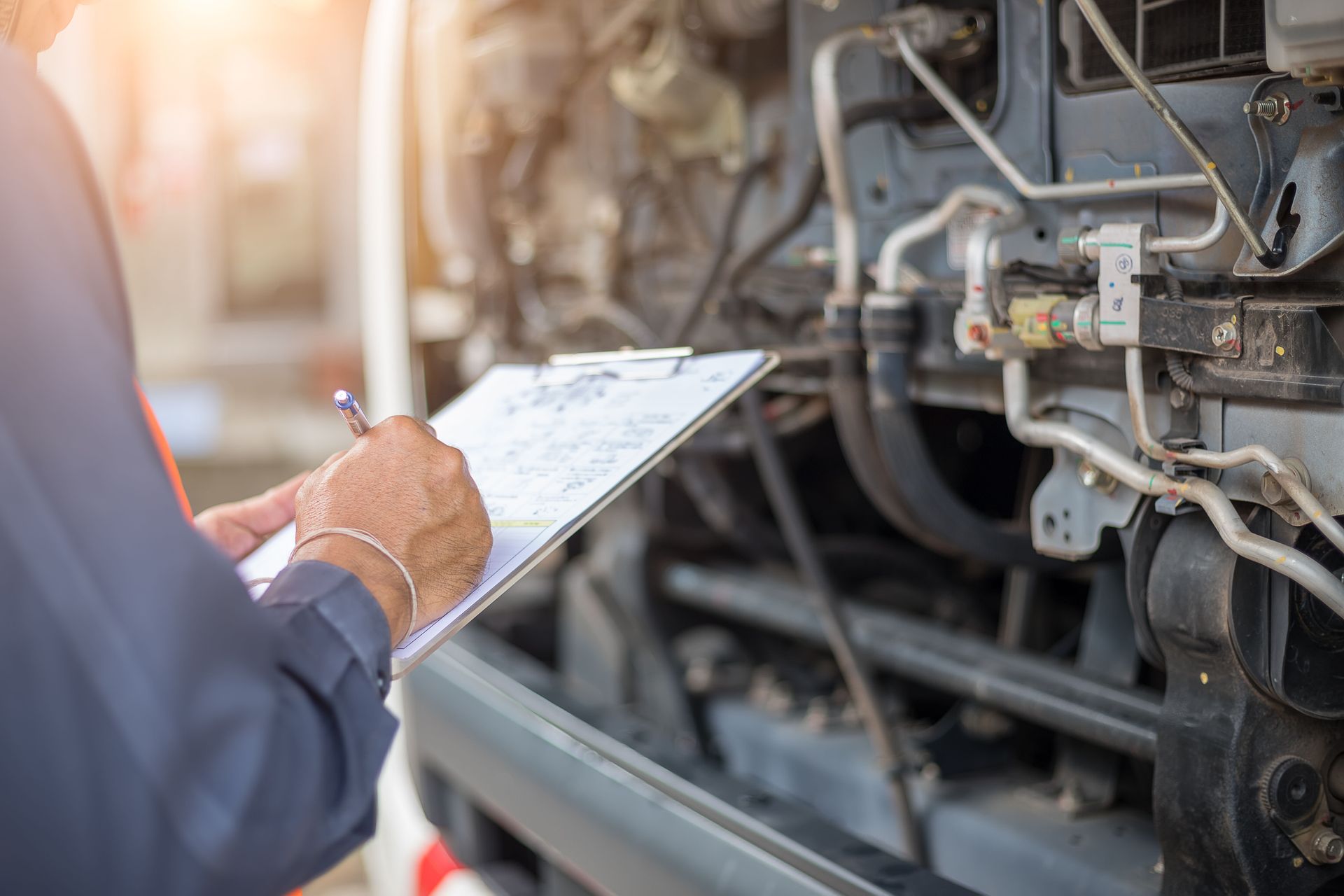
Routine inspections are a foundational component of any preventive maintenance program. These inspections assess essential systems such as the engine, brakes, tires, drivetrain, and electrical components, identifying early indicators of wear or malfunction. By catching issues before they escalate, operators avoid costly repairs and reduce the likelihood of roadside breakdowns. Because long-haul trucks often operate in remote areas, preventing such failures is crucial for ensuring on-time delivery and driver safety. A structured inspection schedule also strengthens fleet consistency, allowing managers to forecast maintenance needs more accurately.
During inspections, technicians often uncover patterns of wear that help refine maintenance strategies. These insights allow fleets to adjust operational schedules, improve maintenance timing, and enhance overall vehicle efficiency. Incorporating specialized evaluations offered through semi truck services can further improve diagnostic accuracy and maintenance performance. Ultimately, routine inspections protect both the truck and the operator by ensuring every vehicle is equipped to withstand long-distance travel and heavy workloads without complication.
Benefits of Early Issue Detection
Detecting potential issues early plays a major role in preventing large-scale mechanical failures. Minor symptoms-slight oil leaks, unusual engine noise, or inconsistent braking-can signal underlying problems that, if ignored, may lead to costly repairs or dangerous situations. Preventive diagnostics make it possible to intervene before damage spreads, minimizing risk and financial burden. For example, addressing cooling system irregularities before overheating occurs can prevent catastrophic engine failure. These proactive measures reinforce operational safety and reduce unpredictable expenses.
Early detection also creates operational stability by minimizing emergency repair situations that disrupt delivery schedules. Fleets experience fewer last-minute changes and greater logistical precision, which strengthens customer trust. Many companies rely on semi truck services to support early detection through advanced diagnostic tools, allowing technicians to identify hidden performance issues quickly and accurately. As a result, fleets benefit from improved productivity, reduced stress on drivers, and a more sustainable long-term maintenance approach.
Engine Maintenance Practices
Engine maintenance is vital because the engine serves as the primary driving force behind every long-haul trip. Regular oil changes, diagnostics, filter replacements, and component assessments keep the engine performing at peak efficiency. According to Slashgear, semi-trucks generally require oil changes approximately every 25,000 miles. Maintaining proper lubrication helps prevent friction-related wear, ensuring the engine lasts longer and operates with fewer complications. Strong engine care also helps trucks remain compliant with emissions standards.
Engine performance directly impacts fuel efficiency, which is one of the largest cost categories for fleet operators. A clean, well-maintained engine burns fuel more efficiently and reduces emissions, supporting both financial and environmental goals. By incorporating insights from semi truck services, fleets can maintain engines at optimal performance levels throughout the vehicle's lifespan. Reliable engine functioning not only improves day-to-day operations but also strengthens long-term fleet value.
Tire Management Strategies
Tires are essential for maintaining traction, fuel efficiency, and road safety. Regular tire inspections assess tread depth, pressure, and alignment-factors that influence overall driving stability. Properly inflated and aligned tires reduce rolling resistance, which in turn lowers fuel consumption and decreases component strain. Neglecting tire care increases the chance of blowouts, which pose extreme safety risks and create expensive delays. A consistent tire maintenance routine protects fleet productivity and reduces operational interruptions.
Tire management also supports environmental sustainability by improving fuel efficiency. Well-maintained tires require less energy to move the truck forward, decreasing fuel waste and reducing emissions. Many fleets integrate tire-related semi truck services into their maintenance plans to ensure accurate adjustments and professional oversight. Because tire failures can occur suddenly and dangerously, prioritizing tire health is a direct investment in driver safety and logistical continuity.
Brake and Suspension Maintenance
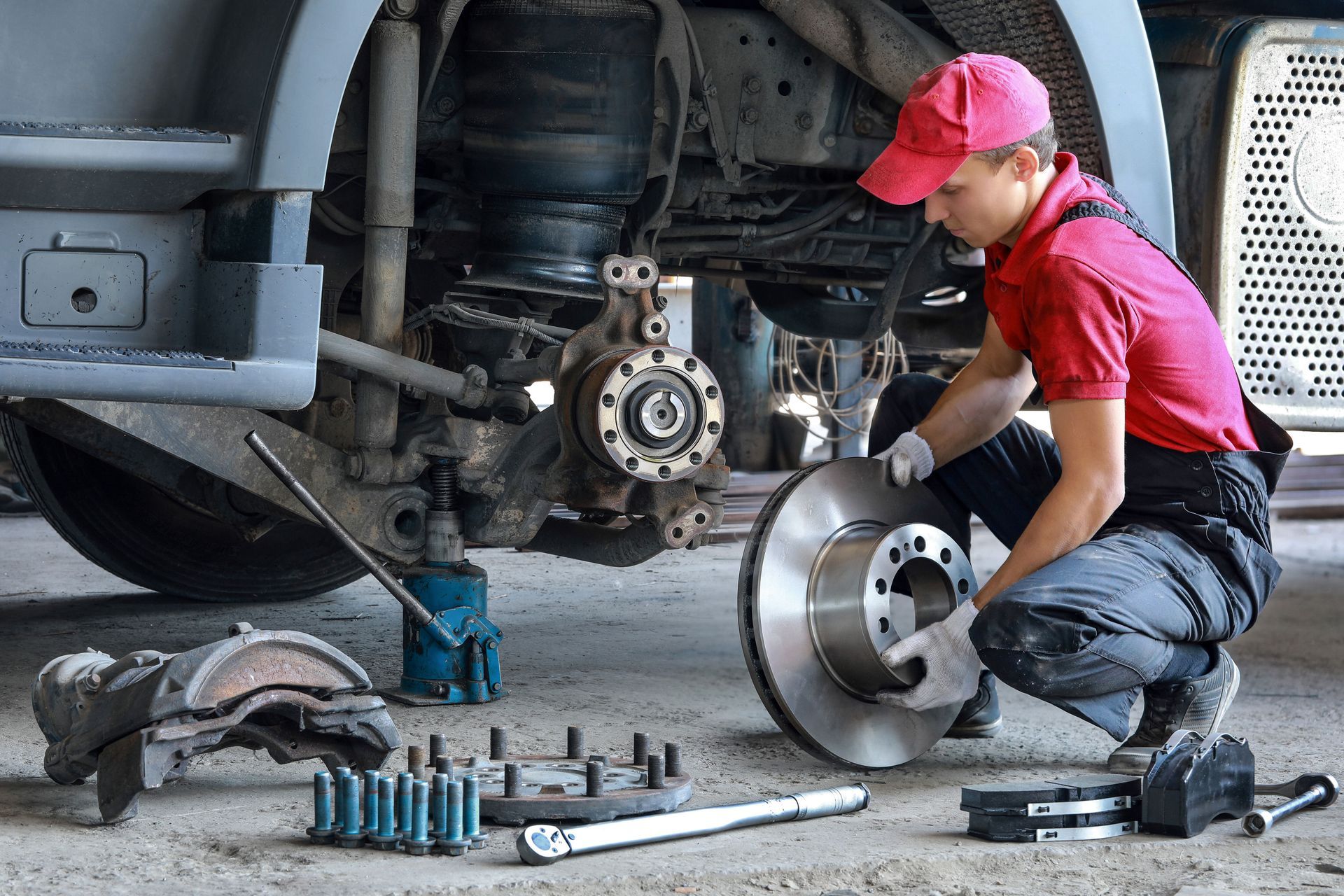
Braking and suspension systems are critical for safe handling, especially for trucks carrying heavy loads over long distances. Regular brake inspections ensure that pads, rotors, hoses, and hydraulic components remain in safe working condition. Failing brake systems compromise stopping power, significantly increasing accident risk. Preventive servicing helps maintain braking efficiency, allowing trucks to perform reliably even in demanding terrains or emergency situations. Suspension maintenance is equally important, as worn components affect stability, steering, and driver comfort.
Suspension issues may also contribute to uneven tire wear or increased strain on the drivetrain. By maintaining both systems together, fleets preserve vehicle performance and extend component lifespan. Semi truck services offer specialized support for brake and suspension diagnostics, ensuring that these essential systems remain fully operational. Ongoing care not only improves safety but also enhances driver confidence, as a smoother and more controlled ride reduces fatigue during long hours on the road.
Cost and Operational Advantages
The cost benefits of preventive maintenance extend far beyond reducing repair expenses. Well-maintained fleets experience fewer breakdowns, lower fuel costs, and more predictable budgeting. Instead of reacting to sudden mechanical failures, operators can schedule maintenance strategically, minimizing downtime and maximizing asset utilization. These advantages contribute to stronger financial stability and long-term business resilience. Over time, preventive maintenance lowers total cost of ownership and reinforces the value of each vehicle in the fleet.
In addition to financial savings, preventive maintenance enhances operational efficiency by reducing delays and improving delivery consistency. Clients value punctual and dependable service, and companies that invest in comprehensive care, including semi truck services, gain a competitive edge. A documented maintenance history also boosts resale value, as buyers prefer trucks with proven reliability and detailed servicing records. Together, these advantages strengthen a fleet's performance, reputation, and profitability.
Enhancing Fleet Safety
Preventive maintenance is fundamentally tied to safety. Trucks that receive consistent care are far less likely to experience mechanical failures that endanger drivers or other motorists. Reliable systems-brakes, lights, steering, suspension, and tires-support stable and predictable handling. Moreover, drivers benefit psychologically from knowing their vehicles are dependable, which reduces stress and increases focus during long shifts. Prioritizing safety through maintenance demonstrates a company's commitment to both its workforce and the surrounding community.
Fleet owners who incorporate semi truck services into their maintenance plans further reinforce their safety strategy through professional diagnostics and expert intervention. By reducing preventable incidents and improving compliance with safety regulations, companies build stronger operational frameworks that support long-term success. Preventive maintenance is therefore more than a mechanical task; it is an essential safety protocol that supports every aspect of fleet performance. Contact our team at BTR Trucks & Service today and learn more about our services.