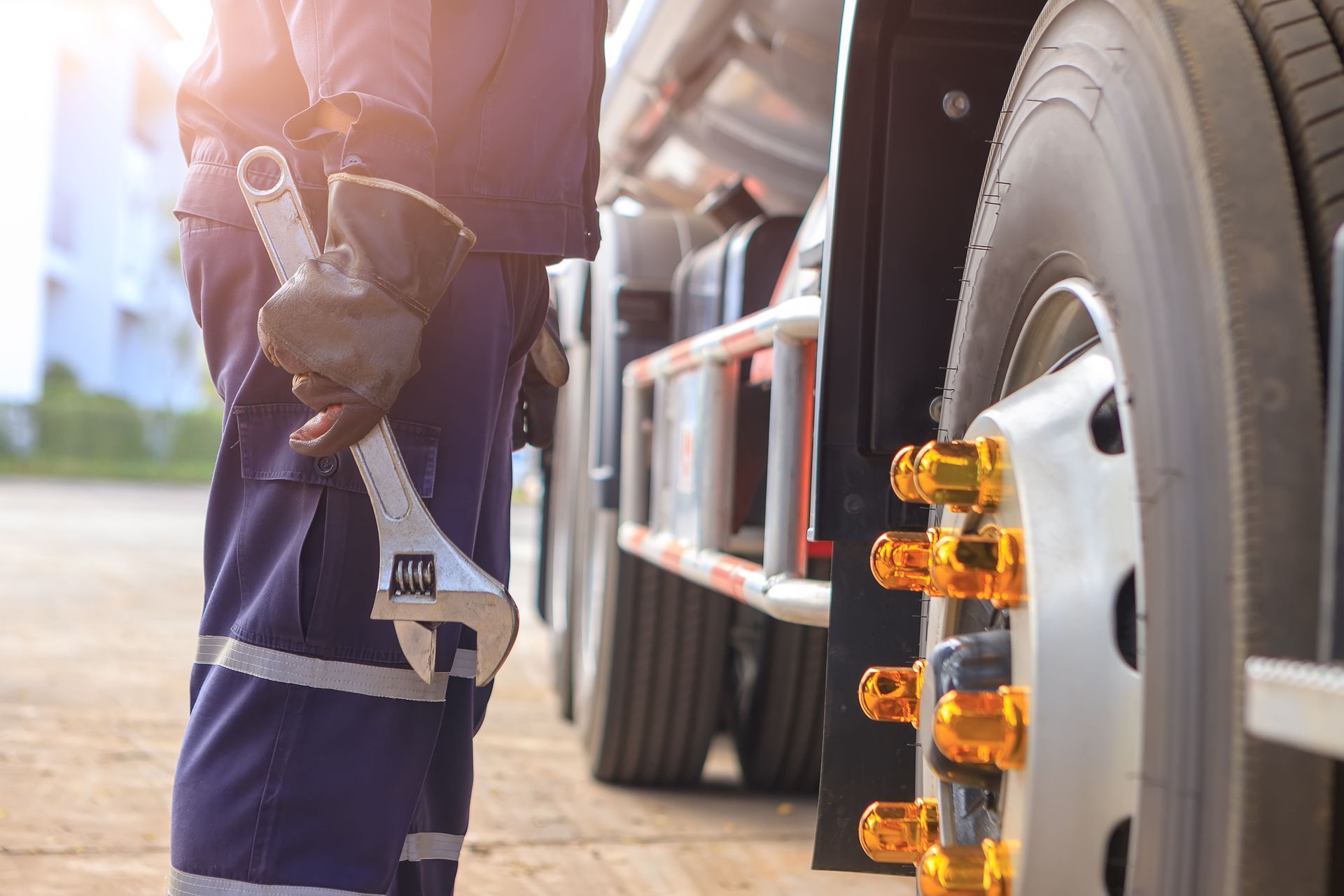
Keeping a commercial fleet on the road requires more than filling the fuel tanks and assigning drivers. Every truck depends on a network of mechanical, electrical, and safety systems that must perform reliably day after day. Even a single breakdown can disrupt delivery schedules, increase operating costs, and affect customer relationships. Fleet managers who prioritize preventive maintenance often experience fewer unexpected disruptions and better long-term vehicle performance. Addressing small issues early helps prevent larger failures that can sideline equipment for days or weeks. Regular inspections also provide opportunities to identify worn components before they create safety concerns. Investing in consistent maintenance protects valuable assets while supporting efficient fleet operations.
Inspect Brake Systems Before Problems Escalate
Brake systems are among the most important safety components on any commercial truck. Worn brake pads, damaged drums, and leaking air lines can reduce stopping power and increase the risk of accidents. Regular inspections help technicians identify uneven wear patterns that may indicate additional mechanical problems. Replacing worn components early prevents damage to more expensive parts within the braking system. Fleet operators who schedule routine brake service often avoid costly roadside breakdowns. Properly functioning brakes also help drivers maintain better control during heavy traffic and adverse weather conditions. Many semi truck repairs begin with identifying brake issues before they affect overall vehicle safety. Consistent attention to braking performance keeps trucks operating safely and efficiently.
Monitor Engine Performance for Early Warning Signs
Commercial diesel engines operate under demanding conditions every day. Changes in fuel economy, unusual exhaust smoke, or rough idling can signal developing problems that require attention. Routine diagnostics allow technicians to detect issues involving fuel injectors, turbochargers, sensors, and emission systems. Addressing these concerns early helps prevent major engine failures that could remove a truck from service for an extended period. Regular oil analysis can also reveal excessive wear before noticeable symptoms appear. Fleet managers who track engine performance trends often make better maintenance decisions. Preventive service is usually far less expensive than complete engine replacement. Monitoring engine health remains one of the most effective ways to reduce downtime across a commercial fleet.
Maintain Transmission Components for Reliable Shifting
Heavy-duty transmissions handle enormous amounts of torque during daily operation. Delayed shifting, slipping gears, or unusual noises may indicate internal wear that needs professional evaluation. Regular fluid checks help identify contamination, overheating, or leaks before serious damage occurs. Proper transmission maintenance extends component life and improves overall drivability. Drivers also benefit from smoother gear changes during long routes and frequent stop-and-go conditions. Ignoring transmission symptoms can lead to expensive repairs and extended periods out of service. Many fleet operators include transmission inspections as part of their scheduled semi truck repairs program. Keeping transmission components in good condition supports both performance and fuel efficiency.
Check Electrical Systems for Consistent Operation
Modern commercial trucks rely heavily on electrical systems for engine management, lighting, communication equipment, and safety features. Corroded connections, damaged wiring, or failing batteries can create intermittent problems that are difficult to diagnose. Routine inspections help identify loose terminals, worn harnesses, and charging system issues before they cause breakdowns. Reliable electrical performance is especially important for trucks operating overnight or in severe weather conditions. Technicians can also verify that sensors and control modules are communicating properly with onboard systems. Preventive maintenance reduces the likelihood of unexpected electrical failures during critical deliveries. Fleet managers who prioritize electrical inspections often experience fewer service interruptions. Consistent testing helps keep every truck ready for daily operation.
Inspect Suspension Components for Better Stability
Suspension systems play a major role in vehicle control, tire wear, and driver comfort. Worn shocks, damaged bushings, and weak springs can affect handling and increase stress on other components. Regular inspections help identify loose hardware and deteriorating parts before they compromise stability. Proper suspension maintenance also helps distribute loads more evenly across the vehicle. Drivers may notice improved steering response and reduced vibration after worn components are replaced. According to IBISWorld, the U.S. truck repair industry is expected to reach approximately $18.4 billion in 2025, reflecting the significant demand for professional maintenance and repair services. Fleet operators who address suspension issues promptly often reduce additional wear on tires and steering systems. A well-maintained suspension contributes to safer and more efficient fleet performance.
Replace Cooling System Parts Before Overheating Occurs
Cooling system failures can lead to severe engine damage if they are not addressed quickly. Radiators, hoses, water pumps, and thermostats all require periodic inspection and maintenance. Small coolant leaks can gradually lower fluid levels until overheating becomes a serious risk. Technicians can pressure-test the system to identify hidden leaks and weak components. Replacing aging hoses and worn clamps is often inexpensive compared to repairing an overheated engine. Proper coolant levels also help maintain consistent operating temperatures during heavy hauling. Preventive cooling system service is an important part of comprehensive semi truck repairs for any fleet. Keeping the cooling system in excellent condition helps protect one of the truck's most valuable components.
Service Tire and Wheel Assemblies Regularly
Tires directly affect safety, fuel efficiency, and overall operating costs. Uneven tread wear may indicate alignment problems, suspension issues, or improper inflation. Routine inspections allow technicians to identify damaged tires before they fail on the road. Maintaining correct air pressure helps improve fuel economy and extend tire life. Wheel bearings and mounting hardware should also be checked during scheduled service visits. Fleet operators who rotate tires and correct alignment issues often achieve better performance from their tire investments. Tire-related semi truck repairs can become much more expensive when problems are ignored. Regular tire maintenance helps reduce breakdowns and improve vehicle stability.
Build a Preventive Maintenance Program for Long-Term Savings
The most successful fleets rely on structured maintenance programs rather than waiting for equipment to fail. Scheduled inspections create opportunities to identify developing problems before they become major repairs. Maintenance records also help track recurring issues and improve future service planning. Coordinating service intervals across the fleet can reduce downtime and improve operational efficiency. Drivers should be encouraged to report unusual noises, warning lights, and performance changes as soon as they appear. Preventive maintenance supports better fuel economy, improved safety, and longer component life. Many fleet managers view semi truck repairs as an ongoing investment in reliability rather than an unexpected expense. A well-organized maintenance strategy keeps trucks moving while helping control long-term operating costs.
Keeping a fleet in peak condition requires consistent attention to every major system, from the brakes and engine to the suspension and cooling components. Proactive maintenance helps reduce unexpected breakdowns, improve safety, and extend the lifespan of valuable equipment while keeping deliveries on schedule. Addressing minor concerns before they become major repairs also lowers long-term operating costs and minimizes costly downtime. By investing in regular inspections and quality service, fleet owners can maximize reliability and keep their trucks performing at their best. A well-maintained fleet not only supports day-to-day operations but also strengthens your business by ensuring dependable performance mile after mile.
Keep your fleet running safely and efficiently with professional service from BTR Trucks & Service. Whether you need preventive maintenance, diagnostics, or major repair work, our experienced team is ready to help minimize downtime and protect your investment. Contact us today to schedule service and keep your trucks on the road where they belong.